
From EV Batteries to Energy Ecosystems: The Real Opportunity of 2026

Updated: Apr 21
The EV industry is no longer just about vehicles.
What began as a shift from internal combustion engines to electric mobility is now evolving into something far more complex—an interconnected energy ecosystem where batteries sit at the center.
As we move through 2026, the question is no longer, “How many EVs can we put on the road?” It’s “How do we build systems that can support, sustain, and scale electric mobility?”
And the answer lies in how EV battery manufacturers in India and globally rethink batteries—not just as components, but as powerful energy assets.
you can also read : From EV Batteries to Energy Ecosystems: The Real Opportunity of 2026
1. From Mobility Components to Energy Assets
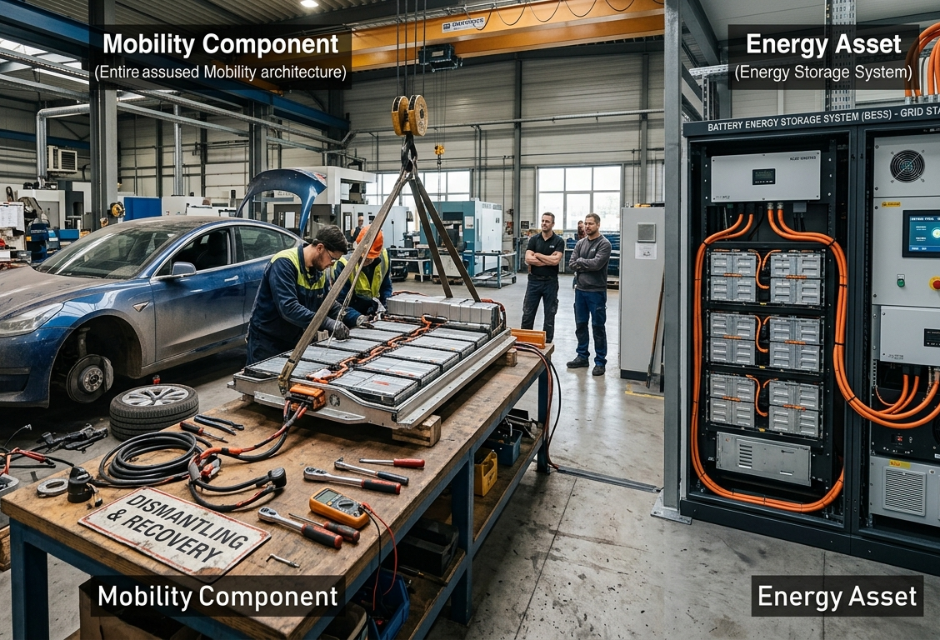
Traditionally, EV batteries were confined within vehicles. Today, that definition is changing rapidly.
Batteries are emerging as active energy assets capable of:
Storing energy
Distributing power
Feeding electricity back into the grid
This evolution is critical, especially with renewable energy sources like solar and wind, which are inherently variable.
For EV battery manufacturers in India, this shift represents a massive opportunity to innovate beyond automotive applications and build integrated energy solutions.
2. The Rise of Distributed Energy Systems
One of the biggest transformations in 2026 is the move toward decentralized energy infrastructure.
Instead of relying solely on centralized power plants, energy is now generated and stored across:
Homes
Commercial buildings
EV charging stations
Electric vehicles
Batteries play a crucial role in this transition by:
Storing excess renewable energy
Supporting peak demand management
Reducing grid dependency
Enabling resilient, localized systems
This distributed model is not optional—it is essential for scaling EV adoption without overwhelming existing power grids.
3. Energy Storage: The Silent Growth Engine
While EV adoption dominates headlines, energy storage systems (ESS) are quietly becoming a major growth driver.
Every solar panel installation, charging hub, and microgrid needs reliable storage.
This creates a parallel demand curve, independent of vehicle sales.
For EV battery manufacturers in India, this opens doors to:
Diversify revenue streams
Expand into grid-scale storage
Partner with renewable energy providers
Energy storage is no longer secondary—it is central to the energy transition.
4. Charging Infrastructure Is Becoming Energy Infrastructure
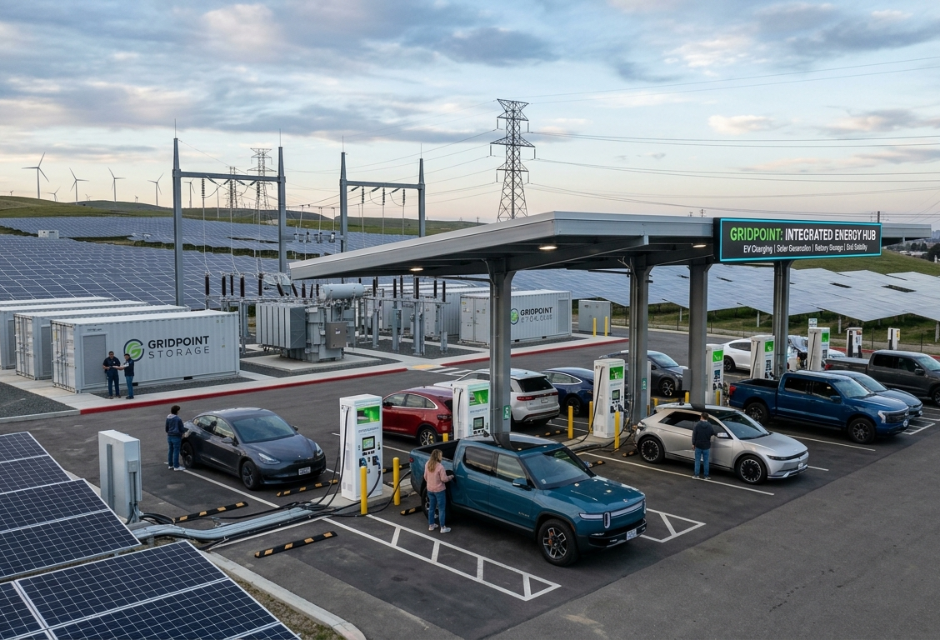
Charging stations are no longer just power outlets—they are evolving into intelligent energy hubs.
Modern infrastructure integrates:
On-site battery storage
Renewable energy sources
Smart load management systems
This allows operators to:
Reduce peak electricity costs
Ensure uptime reliability
Optimize energy usage dynamically
In simple terms, charging networks are becoming micro energy ecosystems, creating new business models for EV battery manufacturers in India.
5. The Growing Importance of Lifecycle Thinking
As battery usage expands, the focus is shifting toward full lifecycle management.
Stakeholders now evaluate:
Manufacturing processes
Performance over time
Repurposing potential
Recycling methods
Second-life applications, where EV batteries are reused for stationary energy storage, are gaining momentum.
This approach:
Extends battery value
Reduces environmental impact
Improves overall ROI
Lifecycle thinking is not just sustainable—it is strategically essential.
6. Localization and Supply Chain Control
With rising demand comes the need for resilient supply chains.
Battery manufacturing is now about:
Control
Security
Scalability
Key focus areas include:
Localized production
Raw material sourcing strategies
Reduced dependency on global supply disruptions
For EV battery manufacturers in India, this is a defining opportunity to:
Strengthen domestic capabilities
Reduce import reliance
Become global leaders in battery innovation
you can also read : From EV Batteries to Energy Ecosystems: The Real Opportunity of 2026
7. Application-Specific Innovation Is the Future
The one-size-fits-all approach is fading.
Different use cases now demand specialized battery solutions:
High-cycle batteries for fleets
Lightweight packs for e-mobility
Durable systems for industrial use
Efficient solutions for last-mile delivery
This shift is driving innovation across:
Cell chemistry
Battery pack design
Software integration
Success will belong to companies that understand application-specific needs, not just capacity metrics.
Conclusion
The real opportunity in 2026 is not just about building better batteries—it’s about building smarter energy ecosystems.
We are witnessing a transformation:
From products to platforms
From components to ecosystems
For EV battery manufacturers in India, this is a pivotal moment.
Their role now extends beyond powering vehicles to:
Supporting energy infrastructure
Enabling grid resilience
Driving sustainable innovation
The future of mobility is not just electric—it is interconnected, intelligent, and deeply integrated with energy systems.
FAQs
1. Who are the leading EV battery manufacturers in India?
India has several emerging and established EV battery manufacturers focusing on lithium-ion technology, energy storage systems, and localized production to meet growing demand.
2. Why are EV batteries important for energy ecosystems?
EV batteries act as energy storage units that can store, distribute, and even return electricity to the grid, making them critical for renewable energy integration.
3. What is second-life usage of EV batteries?
Second-life applications involve reusing EV batteries for stationary energy storage after their vehicle lifecycle ends, extending their usability and reducing waste.
4. How are charging stations evolving in 2026?
Charging stations are becoming energy hubs with integrated storage, renewable energy sources, and smart systems for efficient energy management.
5. Can EV batteries support renewable energy systems?
Yes, EV batteries help stabilize renewable energy by storing excess power and supplying it when production is low.
6. What opportunities exist for EV battery manufacturers in India?
Opportunities include energy storage systems, localized manufacturing, renewable integration, and smart charging infrastructure development.
7. Do EV battery solutions require pre-booking or consultation?
Yes, many EV battery manufacturers in India offer customized solutions based on business needs. It is recommended to schedule a consultation or pre-book requirements to ensure the right battery configuration and timely deployment.


I recently came across this website while browsing information about practical lifestyle ideas, and I found it quite useful: https://infowomenspace.com